
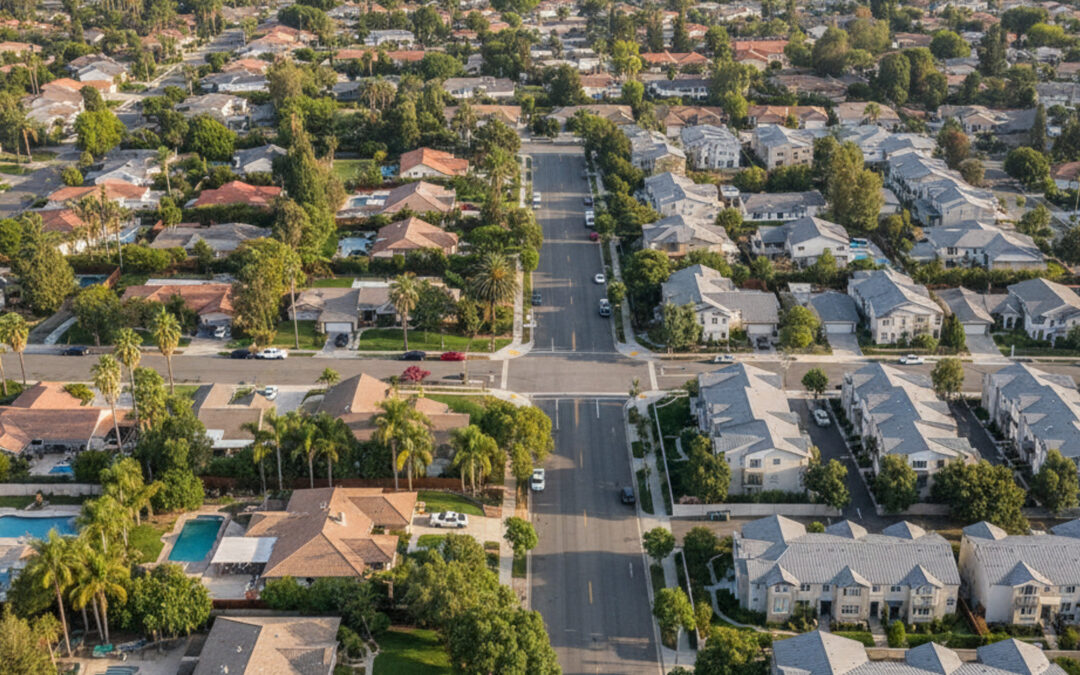
Ventura County offers a distinct coastal valley environment, and Camarillo sits right in the center of this region. The city maintains a steady demand for housing driven by local employers, agricultural businesses, and California State University Channel Islands. Buyers looking at the market this year will find a mix of older ranch-style properties, planned communities, and newer townhome developments.
Choosing to buy property here requires understanding the specific economic factors that keep vacancy rates low. The local housing supply remains constrained by geographic boundaries and slow-growth policies, creating a competitive environment for buyers but providing long-term stability for property owners.
What Drives the Camarillo Housing Market
The Ventura County real estate landscape is defined by limited new construction and high demand from local workers. Camarillo stands out from neighboring cities like Ventura and Simi Valley due to its central location and robust commercial sector. Landlords benefit from a consistent pool of renters moving to the area for university jobs and healthcare roles.
Investors targeting this area should focus on properties that appeal to long-term tenants. The rental market stays active year-round, supported by staff and faculty from nearby educational institutions.
Home Prices and Sales Trends
The median home price in Camarillo sits between $880,000 and $920,000 for 2026. Buyers can expect to pay an average of $500 to $515 per price per square foot for a standard single-family property. These figures reflect steady year-over-year appreciation, even as broader national markets experience fluctuations.
Low inventory levels continue to push properties off the market quickly. A well-priced home with no deferred maintenance will typically receive offers within the first two weeks of listing. Buyers should arrange their financing ahead of time to compete with other investors and owner-occupants.
Average Rents and Expected Income
Rental rates in Camarillo provide a solid foundation for calculating potential yields. Current market data shows consistent monthly income across different unit sizes:
- Studio apartments: $1,950 per month
- One-bedroom units: $2,300 to $2,500 per month
- Two-bedroom homes: $3,000 to $3,200 per month
- Four-bedroom houses: Up to $4,600 per month
This rental demand is anchored by major employers and the ongoing housing needs of California State University Channel Islands. Landlords can calculate their expected rental yields by comparing these monthly income figures against current property values and local property taxes. A standard single-family home often provides a steady cash flow once initial purchase costs are stabilized.
Housing Types and Neighborhood Options
The local housing stock includes a wide variety of property styles to fit different investment goals. Single-family detached homes are the most common, often featuring mid-sized lots and mature landscaping. Buyers looking for lower maintenance requirements can explore the numerous townhouse and condo communities spread across the city.
Condo buyers should factor homeowners association dues into their monthly carrying costs. These HOA fees cover exterior maintenance and community amenities, which can attract tenants but will reduce net operating income. Reviewing the association documents during escrow ensures the community allows the property to be rented.
Investors often focus on specific zip codes like 93010 and 93012 when evaluating neighborhoods. Central Camarillo offers older, established homes near retail centers, while Mission Oaks provides newer construction and planned community features. The 55+ Leisure Village community is another major fixture, offering age-restricted housing with extensive recreational facilities.
Highway Access and Commute Times
Camarillo is positioned directly along US Highway 101, serving as a primary transit corridor for Ventura County. This location allows residents to commute to major employment hubs in multiple directions with straightforward highway access from most neighborhoods.
Driving to Los Angeles takes about one hour when traffic is light, though rush hour extends this time. The commute to Ventura takes 15 to 20 minutes, and reaching Santa Barbara requires about a 45-minute drive north. These manageable drive times make the city practical for residents working in different parts of the region.
Public transportation offers an alternative to the daily highway drive. The Camarillo station provides access to both Amtrak and Metrolink trains. This rail connection appeals to tenants who commute into Los Angeles and prefer to avoid freeway congestion.
Local Employers and Retail Centers
Economic stability in Camarillo is supported by a mix of retail, healthcare, and agricultural businesses. The Camarillo Premium Outlets serve as a major retail destination, drawing shoppers from across Southern California and providing numerous local jobs. This commercial activity keeps the local tax base strong and supports municipal services.
Healthcare is another major driver of local employment. St. John’s Pleasant Valley Hospital employs a large number of medical professionals who need housing close to their shifts, making travel nurses and hospital staff reliable long-term tenants.
The city also maintains numerous outdoor recreational spaces that add value to nearby properties. Camarillo Grove Park offers hiking trails and picnic areas, while local golf courses provide additional leisure options. Properties located within walking distance of these amenities tend to experience lower vacancy rates.
Public School Districts
The quality of local public schools directly impacts property values and tenant retention. The Pleasant Valley School District handles education for elementary and middle school students across the city.
Older students attend campuses managed by the Oxnard Union High School District. The boundaries for specific high schools can influence where buyers choose to purchase property. Homes located within the attendance zones of the highest-rated schools generally command a premium on both the sales and rental markets.
How to Buy a Property in Ventura County
Purchasing an investment property in Ventura County requires standard preparation and local market knowledge. Buyers should start by securing a loan pre-approval to understand their exact purchasing power and determine which neighborhoods are viable options.
Working with a local real estate agent provides access to current listing data through the California Regional Multiple Listing Service. The CRMLS offers the most accurate information on active listings, pending sales, and historical pricing. An agent familiar with Camarillo can identify properties that meet specific investment criteria before they hit the broader market.
Once a property is identified, the purchasing process moves through standard California escrow procedures. Buyers will review disclosures, complete physical inspections, and finalize their loan underwriting. Closing on a home typically takes 30 to 45 days from the moment an offer is accepted.
Understanding the 3-3-3 Rule in Real Estate
Many investors use the 3-3-3 rule as a framework for evaluating new rental properties. This guideline suggests it takes three weeks to find a qualified tenant once a property is listed.
The second part of the rule allocates three months to stabilize the property and handle any deferred maintenance. This stabilization phase includes completing minor repairs, setting up property management systems, and establishing a routine maintenance schedule. Landlords should keep a cash reserve to cover expenses during these initial months.
Finally, the rule states it generally takes three years to see a meaningful return on investment. Real estate is a long-term asset, and early cash flow is often absorbed by unexpected repairs or capital improvements. In a steady market like Camarillo, holding the property for at least three years allows appreciation and rent increases to build real equity.
Frequently Asked Questions
Is Camarillo considered a wealthy area?
The city features an above-average median household income compared to national figures. Many residents hold professional roles in healthcare, education, and technology. This economic demographic supports a stable tenant base capable of meeting the area’s higher rental rates.
Will home prices drop in Camarillo, CA in 2026?
Current data shows steady appreciation with no immediate indicators of a price collapse. Inventory remains tight across Ventura County, which continues to prop up property values. Buyers waiting for a major discount may find themselves priced out as demand outpaces the limited housing supply.
What are the popular neighborhoods in Camarillo?
Mission Oaks is a major draw for renters seeking newer construction and planned community amenities. Central Camarillo appeals to those who want to live closer to older retail corridors and established parks. Investors looking at the senior demographic often target Leisure Village for its extensive 55+ facilities.