
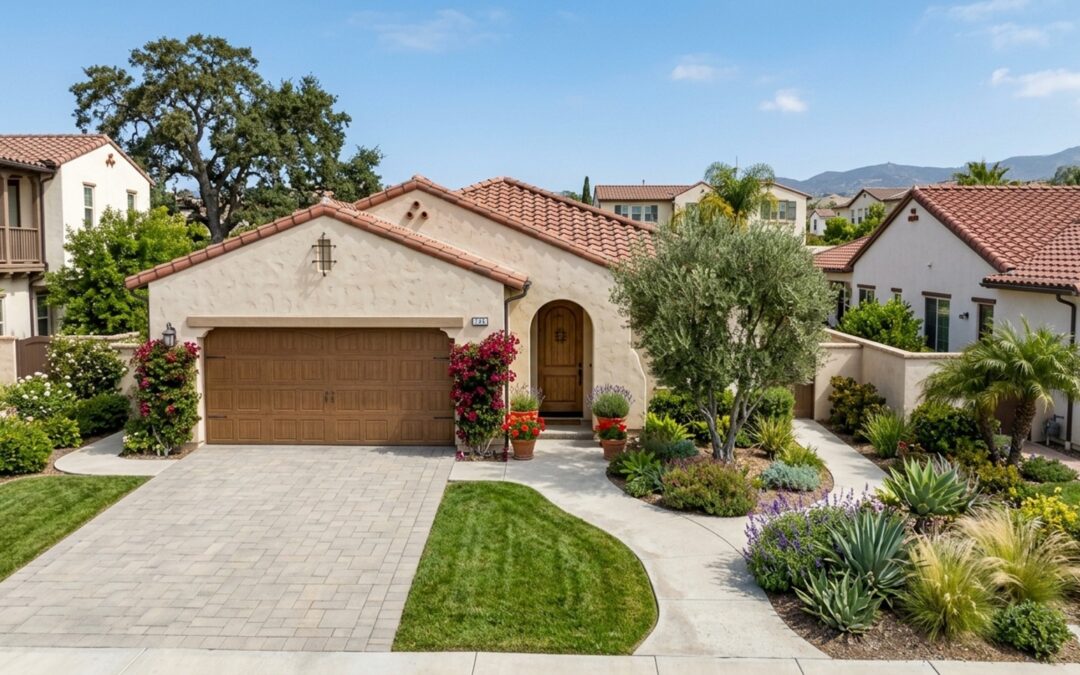
For those interested in living in Camarillo, CA, the median sale price for a home is around $885,000, and properties are averaging about 29 days on the market. If you’re looking specifically at age-restricted housing, the pace is real – 42.4% of homes sell above list price. That’s not a market where you can take your time.
Camarillo has several tiers of senior housing, from active-adult neighborhoods where you own your home outright to campuses with full-time medical care. The right choice depends on where you are health-wise, what you can spend monthly, and how well you understand California’s specific rules around age-restricted developments.
Types of Senior Living in Camarillo, CA
Senior housing in this part of Ventura County splits into distinct categories based on ownership structure and care level. The level of independence you want is usually the first filter.
Active-Adult and Independent Communities
Active-adult properties are built for people who want a low-maintenance lifestyle without on-site medical care – think pools, clubhouses, organized activities. You own or rent your individual home and run your own daily schedule. The HOA handles what it handles; the rest is yours.
Assisted Living and Continuing Care
Assisted living facilities provide daily help with meals, medication management, and personal care. Continuing Care Retirement Communities – CCRCs – go further by combining independent living, assisted living, and skilled nursing on one campus. The practical advantage is that you can move between care levels as your needs change without uprooting your life entirely.
Senior Apartments and Mobile-Home Communities
Senior apartments are age-restricted rentals, often with communal dining and planned activities. Mobile-home communities for the 55+ demographic offer a more affordable path to owning a home in Ventura County – you typically own the manufactured home itself, but pay monthly land rent to the park. It’s a meaningful cost distinction worth understanding before you start comparing.
Eligibility and the 80/20 Rule in California
Federal and state law both govern who can live in age-restricted developments. The Housing for Older Persons Act (HOPA) sets the national baseline. In California, the 80/20 rule is what you’ll actually encounter in practice.
Under the 80/20 rule, at least 80% of occupied units in a designated 55+ community must include at least one resident who is 55 or older. The HOA or management company is required to verify resident ages on a regular basis. If a community drops below that 80% threshold, it risks losing its legal status as an age-restricted property – which creates real complications for everyone who owns there. That’s why most associations take the verification process seriously.
Housing Options by Neighborhood and Price
Camarillo currently has 192 homes in active inventory, spread across several parts of the city. The northern and central areas hold most of the established senior housing options.
When you’re evaluating a specific location, map out how long it actually takes to get to medical centers and grocery stores – not the mileage, the drive time. Proximity to major roads matters for convenience and for noise. Those two things don’t always point in the same direction.
Mission Oaks and North Camarillo
The Mission Oaks area in northern Camarillo has several residential developments built with older adults in mind. You get access to local shopping, parks, and walking paths, and the streets tend to be quieter than the corridors closer to the freeway. It’s a common starting point for buyers who want established neighborhoods without a lot of through traffic.
Affordable and Low-Income Senior Housing
Camarillo does have properties designated as affordable senior housing for residents who meet local income limits. These communities typically carry waitlists, and applicants need to submit tax returns and bank statements to document their financial situation. Rent is generally capped at a percentage of monthly income. If this is the category you’re looking at, get your name on a list sooner rather than later.
What Does 55+ Living Cost in Ventura County?
Camarillo’s overall cost-of-living index is roughly 170 – about 1.7 times the national average. The housing sub-index is 305, and that’s doing most of the work.
Rent and Monthly Fees
Senior apartment rentals in Camarillo average about $2,526 per month, with most units falling somewhere between $2,402 and $3,854 depending on the community and unit size. That figure covers the apartment itself; meal plans, housekeeping, and other services are usually priced separately.
For buyers in HOA-governed communities, association dues in Ventura County typically run $250 to $600 per month. Properties with extensive amenities or beachfront locations tend to land at the higher end. For context, the national average for active-adult communities runs about $200 to $400 per month.
Medicare and Medi-Cal
Medicare does not cover room and board in independent or assisted living facilities in California. It pays for approved medical services, short-term skilled nursing care, and specific therapies – not housing. Low-income seniors should look into Medi-Cal, which offers waiver programs that can help cover some assisted living services, though even Medi-Cal doesn’t pay for the room itself.
Is Camarillo, CA a Good Place to Retire?
Camarillo has a temperate coastal climate and real healthcare infrastructure. It also has a median home price near $885,000 and an average of 29 days on market, which means the financial math requires honest planning before you fall in love with a specific community.
The 55+ market here has genuine advantages – quieter neighborhoods, maintained common areas, and a built-in peer group. The tradeoffs are the mandatory monthly fee structure, which can increase annually, and HOA rules governing visitors, parking, and how long younger family members can stay. Neither of those is unusual for this type of community anywhere in California, but they’re worth reading carefully before you sign.
How to Choose and Tour a Community
Tour more than one property, and visit at different times of day. A community that feels serene on a Tuesday morning can look completely different on a Saturday afternoon.
What to Ask
Before you make an offer, request a full copy of the governing documents from the HOA or management office. Then ask specifically for a breakdown of what the monthly fee actually covers. Ask about the reserve fund – you want to know whether they have enough set aside for major repairs like roof replacements or road work. And confirm exactly how the community handles the state’s 80/20 rule in their bylaws. These aren’t uncomfortable questions. Any well-run community should be able to answer them without hesitation.
Frequently Asked Questions
Do both spouses have to be 55 or older to buy in a Camarillo retirement community?
No. Under the 80/20 rule, only one person in the household needs to meet the 55+ age requirement. The community’s specific HOA rules will spell out the minimum age for a second spouse or other residents living in the home.
What do HOA fees actually cover in Camarillo’s 55+ communities?
It varies by community. In Ventura County, fees in the $250 to $600 per month range typically cover common area landscaping, exterior building maintenance, and access to shared amenities like pools or clubhouses. What’s included beyond that depends on the specific neighborhood’s governing documents.
Can I rent out my property in a Camarillo active-adult community if I only want to live there part-time?
It depends on the HOA’s governing documents. Many 55+ communities restrict short-term rentals to protect their age-restricted legal status and limit transient traffic. Check the bylaws carefully for lease duration rules before you buy with that intention.
Are there usually waitlists for the most popular senior neighborhoods in Camarillo?
Yes, and it’s not just affordable housing. With Camarillo’s housing supply sitting at 2.9 months of inventory, well-priced active-adult homes move quickly. Affordable and low-income senior apartments also frequently carry long waitlists.
What happens if I inherit a house in a Camarillo 55+ community but I’m under the age requirement?
You can own the property – you just can’t live in it. The 80/20 rule applies to occupants, not to the names on the deed. Your options are to sell it, leave it vacant, or rent it to an age-qualified tenant if the HOA allows rentals.
How do property taxes in Camarillo’s age-restricted communities compare to standard neighborhoods?
They follow the same state assessment rules. Your tax basis is set by the purchase price of the home – and with a local median around $885,000, that’s the number you’re working from. Some communities may also carry Mello-Roos taxes or special assessments depending on when they were built, so check that before closing.