
These two cities sit just miles apart on the US-101 corridor, but they offer genuinely different housing experiences. Ventura is a coastal city with older neighborhoods, ocean access, and a marine layer that never fully disappears. Meanwhile, living in Camarillo means settling in an inland valley suburb with newer master-planned developments, sunnier afternoons, and a slightly lower price point.
The median sale price in Camarillo is around $885,000 as of mid-2026. Ventura’s median sits closer to $899,000. That gap isn’t dramatic, but the choice between them really comes down to something more personal – whether you want oceanfront proximity or a newer suburban layout with wider streets and a shorter drive toward Los Angeles.
Geography and Climate Differences
Ventura sits directly on the Pacific Ocean. Summers stay cool, the morning marine layer rolls in regularly, and the city’s layout runs along the coastline before climbing into the foothills. A lot of neighborhoods have ocean views because of it.
Camarillo is a few miles inland, tucked into a coastal valley. That positioning blocks the heaviest marine influence, so afternoons are warmer and sunnier than what you’d get in Ventura. The flatter terrain is also what allowed Camarillo to develop the way it did – wide street grids, large tract subdivisions, the whole suburban blueprint that took shape over the past few decades.
Housing Market Prices and Trends
Both markets move quickly. Camarillo has around 192 active listings, and homes there are spending roughly 29 days on the market before going under contract. The average sale-to-list ratio sits just over 100%, which tells you sellers aren’t leaving anything on the table.
Ventura runs slightly higher because of its coastal premium – median around $899,000 versus Camarillo’s $885,000. Competitive conditions in both markets are real, especially for single-family homes in established neighborhoods. Don’t expect a lot of room to negotiate.
Property Types and Architecture
Ventura’s housing stock reflects the city’s age. You’ll find mid-century ranch homes, older coastal properties, beachside condominiums, and neighborhoods near Downtown Ventura where Spanish Colonial and Craftsman architecture still hold up well. Lot sizes vary widely, and new construction is rare – the city built out a long time ago.
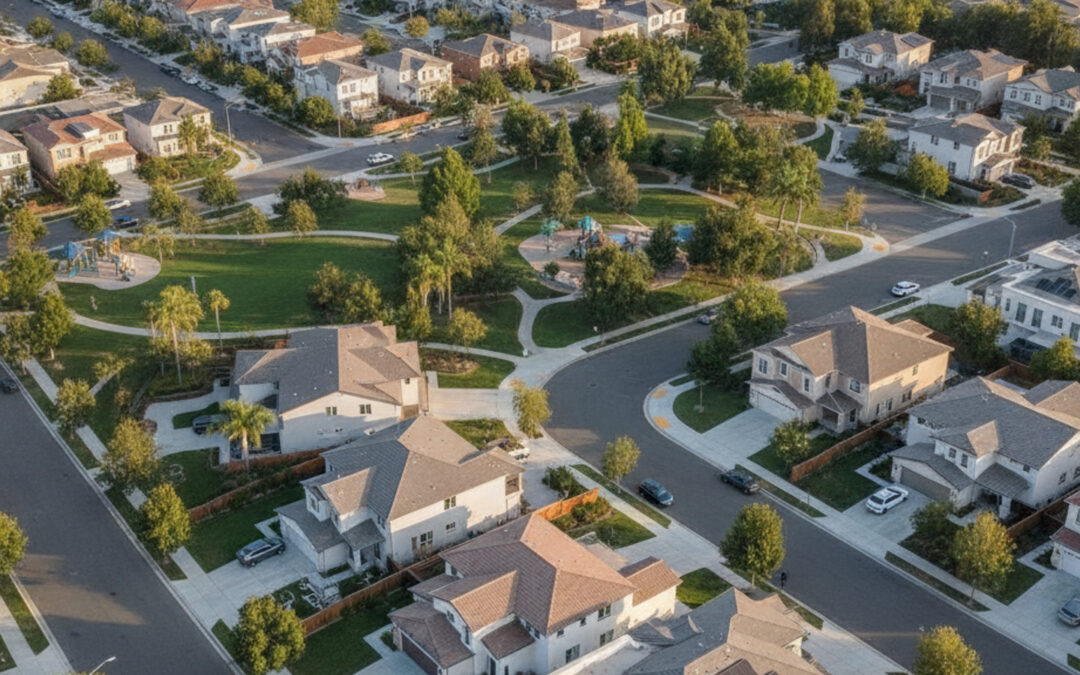
Camarillo is a different picture entirely. Across a variety of neighborhoods, master-planned communities, modern townhouses, and large single-family homes built from the 1980s onward make up most of the inventory. Uniform lot sizes, wider sidewalks, neighborhood parks built into the subdivision design – it’s a more predictable product, which some buyers find reassuring and others find a little sterile. That part is up to you.
Cost of Living and Local Expenses
Purchase price is just the starting point when calculating the cost of living in Camarillo or Ventura. Property taxes and HOA dues can shift your monthly payment more than most buyers expect, so it’s worth running those numbers before you fall in love with a particular address.
Both cities carry property tax rates slightly above the national median, which is typical for Southern California. Camarillo’s effective property tax rate runs between 1.09% and 1.21%, depending on the ZIP code and any special assessment districts attached to that parcel. Ventura actually has the lowest median effective property tax rate among Ventura County cities, ranging from 1.08% to 1.16%. That difference is marginal on its own – the bigger financial divergence between these two markets comes from HOA fees.
HOA Fees and Special Assessments
Camarillo’s concentration of master-planned developments means monthly HOA dues are common. Those fees typically cover community pools, landscaping, and private road maintenance – standard amenities for that type of development.
Ventura’s older single-family neighborhoods have far fewer large-scale HOA communities, so buyers who’d rather not pay monthly dues will find more options there. That said, beachfront condos in Ventura still carry monthly maintenance fees, so that trade-off doesn’t disappear entirely if a condo is what you’re after.
Local Amenities and Lifestyle Features
Ventura’s lifestyle is built around the water. Public beaches, the Ventura Pier, surfing along the Pacific Coast Highway, hillside trails in places like Arroyo Verde Park with ocean views – that’s what the city offers people who want to live somewhere that feels coastal in an everyday way, not just on weekends.
As for things to do in Camarillo, outdoor life runs through regional parks, golf courses, and agricultural green spaces. The city has numerous neighborhood parks built into its residential areas, and organized sports facilities and community recreation centers pick up the slack where a beach would otherwise be.
Dining and Retail Corridors
Downtown Ventura does what a good downtown should – independent restaurants, vintage shops, and local breweries along Main Street in a historic, walkable layout that actually draws foot traffic throughout the week, not just on Saturday afternoons.
Retail in Camarillo is anchored by the Camarillo Premium Outlets, right off the US-101, which is either convenient or a minor highway-adjacent annoyance depending on how you feel about outlet shopping. For daily errands and dining, residents use the large modern shopping centers distributed across the city’s suburban corridors.
Transportation and Commute Times
The US-101 connects both cities to Los Angeles to the south and Santa Barbara to the north. Both have access to Metrolink and the Amtrak Pacific Surfliner, so you’re not locked into driving if you’d rather not.
The average commute time for Camarillo residents is typically between 19 and 25 minutes – at or below the national average. Because Camarillo sits further south and east than Ventura, the drive into Los Angeles County is simply shorter. If your job pulls you toward LA on a daily basis, that geography matters.
Frequently Asked Questions
Is real estate more expensive in Camarillo, CA or Ventura?
Ventura is slightly more expensive. The median home sale price there is around $899,000, compared to Camarillo’s median of approximately $885,000. Ventura’s coastal location carries a premium over Camarillo’s inland properties.
How much longer is the commute to Los Angeles if I buy a home in Ventura instead of Camarillo?
It depends on your exact destination in Los Angeles, but Ventura means driving an additional stretch of the US-101. Camarillo sits further south and east, so its residents have a head start when heading toward LA County. Average commute times for Camarillo residents range from 19 to 25 minutes.
Are there more new construction homes and master-planned communities in Camarillo vs Ventura?
Yes – Camarillo has a much larger inventory of master-planned communities and newer construction. The flat inland geography allowed for extensive suburban tract development from the 1980s onward. Ventura’s stock is older historic and mid-century properties, with very little new construction.
How does the weather and coastal marine layer compare between Camarillo, CA and Ventura?
Ventura sits directly on the ocean, which means cooler temperatures and a frequent morning marine layer. Camarillo is a few miles inland in a coastal valley, and that positioning blocks much of the marine layer. The result is warmer, sunnier afternoons in Camarillo compared to Ventura.
Do homes in Camarillo typically have higher HOA fees than properties in Ventura?
Yes. Camarillo has a high concentration of master-planned developments and townhomes that charge monthly dues for shared amenities. Ventura has fewer large-scale HOA communities, though beachfront condos there still carry monthly maintenance fees.